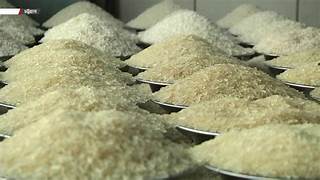
Record High RICE production 2025
Why 2025 Could Be a Game-Changer for India’s Rice Sector — What the Numbers Are Saying
India’s rice sector is poised for a major transformation. According to the first advance estimates for the 2025 kharif season, the country produced 124.5 million tonnes of rice — the highest ever. This remarkable output is part of a broader trend: total kharif foodgrain output is estimated at 173.33 million tonnes this season, buoyed by favourable monsoon rains and improved sowing across states.
📈 What This Means for Farmers and Traders
-
Supply surplus: With record production and good overall yield, rice supply in mandis and godowns is expected to remain ample. This could help stabilize or even reduce domestic rice prices — beneficial for consumers, but potentially a concern for farmers unless demand (domestic + export) holds up.
-
Pressure on by-products: Strong rice output often leads to higher inventory of by-products (like rice bran). This can affect by-product prices, which are linked to feed, milling, and export demand
-
Need for export push: Domestic consumption alone may not absorb this surplus — so expanding export markets becomes critical for balancing supply and maintaining farmer income.
🌍 Export Opportunity: India Eyes Global Markets
Recognizing this, industry stakeholders have identified 26 potential overseas markets — spanning Southeast Asia, Middle East, Latin America, and East Asia — that could absorb large quantities of Indian rice. Moreover, the government has announced an ambition to double agri-exports over the next five years, signaling strong policy support for rice exports.
For exporters and millers, this could mean new demand, better margins, and diversification of export destinations. For farmers, it could translate to stable off-take and opportunities beyond domestic demand cycles.
✅ Long-Term Considerations & Strategy
-
Logistics & Quality Standards: To meet varied global demands, exporters must ensure consistent quality, proper packaging, and compliance with international norms.
-
Storage & Inventory Management: With large harvests, efficient warehousing and timely dispatch will be key to avoid wastage and maintain grain quality.
-
Market Monitoring: Farmers and traders should keep an eye on global demand, export demand shifts, and domestic consumption trends to decide when to sell or hold stock.