Why Logistics is Key to Rice Business Success
Why Logistics is Key to Rice Business Success
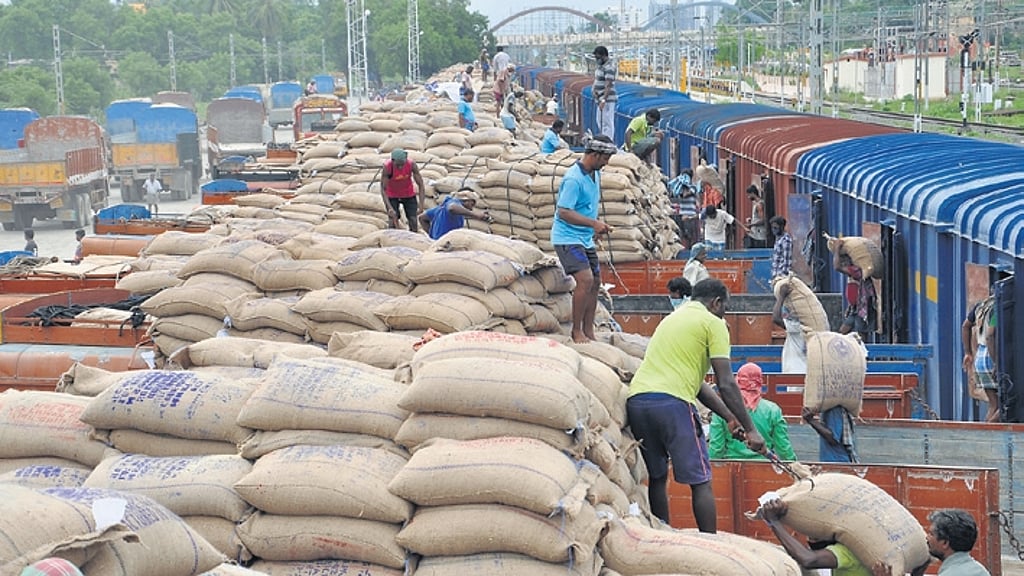
In the rice industry, quality and price matter—but they’re not the only factors that decide success. Logistics—how rice moves from farms to mills to buyers—can make or break a business. From local distribution to international exports, efficient logistics ensures that rice reaches customers on time, in good condition, and at the right cost.
1. Timely Delivery Builds Trust
In the rice business, delays can damage both relationships and profits. Whether supplying to local markets or shipping overseas, timely delivery is a competitive advantage.
Why it matters:
-
Buyers plan sales and promotions around delivery dates.
-
Delays can result in penalties or canceled contracts.
-
Consistency builds long-term partnerships.
2. Preserving Quality During Transit
Rice is sensitive to moisture, pests, and handling conditions. Poor logistics can lead to damaged or spoiled shipments.
Best practices:
-
Use moisture-proof, sturdy packaging.
-
Choose transport modes that minimize transit time.
-
Monitor temperature and humidity in storage and transport.
3. Cost Efficiency Improves Profit Margins
Fuel costs, warehousing fees, and handling charges all affect profitability. Efficient logistics reduces waste and unnecessary expenses.
Tips for efficiency:
-
Optimize routes to reduce travel time and fuel use.
-
Use consolidated shipments for bulk orders.
-
Negotiate long-term contracts with transport partners.
4. Meeting Export Requirements
For exporters, logistics is not just about moving goods—it’s about complying with international trade regulations.
Key considerations:
-
Prepare accurate customs documentation.
-
Work with freight forwarders experienced in agri-exports.
-
Understand port handling processes to avoid delays.
5. Technology for Smarter Logistics
Modern rice businesses are adopting digital tools to improve supply chain performance.
Examples include:
-
GPS tracking for shipment visibility.
-
Inventory management systems for better stock control.
-
Data analytics to forecast demand and plan deliveries.
✅ Bottom Line:
In the rice business, logistics is more than transportation—it’s the backbone of reliability, quality, and profitability. Investing in the right logistics strategy can be the difference between a one-time sale and a loyal, long-term customer.